
Why Your Dentist Knows More About Your Overall Health Than You Might Realize
Most people think of dental appointments as entirely separate from the rest of their healthcare routine. The dentist handles teeth and gums, the physician handles everything else, and the two rarely intersect in any meaningful way. That separation, however comfortable and convenient it feels, does not reflect what research and clinical experience have been demonstrating for years.
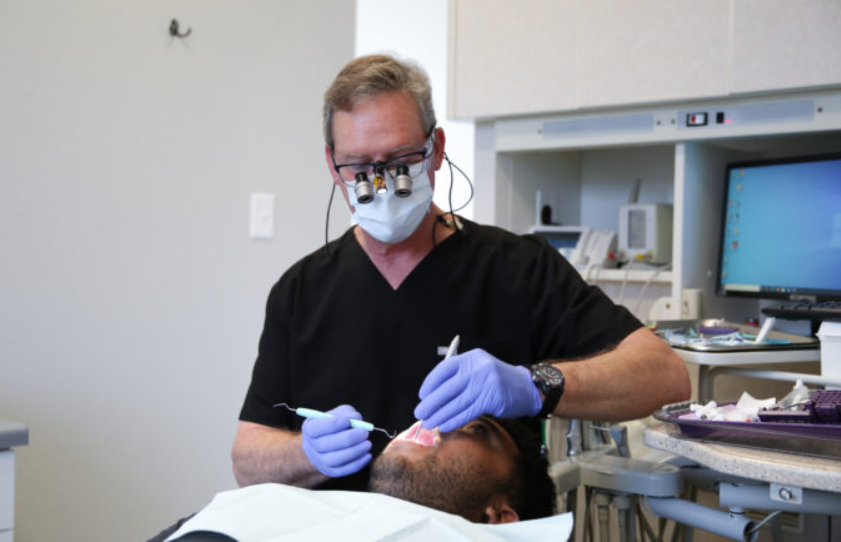
Your Mouth Is a Window into Your Whole Body
The connection between oral health and systemic health is more direct and more significant than most patients understand until something brings it to their attention. Dental professionals are often the first to detect signs of conditions that extend well beyond the mouth, making regular visits far more valuable than most people give them credit for. For patients ready to see dental care in a broader context, dentist Raleigh NC professionals take a whole health approach that treats oral care as an integral part of your overall wellbeing.
Gum Disease and Cardiovascular Health Are Closely Linked
The relationship between periodontal disease and cardiovascular conditions has been the subject of substantial research, and the findings consistently point in the same direction. Chronic gum inflammation creates pathways for bacteria to enter the bloodstream, contributing to inflammatory processes that affect arterial health and increase risk factors associated with heart disease and stroke.
Diabetes and Oral Health Have a Two-Way Relationship
The connection between diabetes and periodontal disease runs in both directions, making it one of the most clinically significant intersections between oral and systemic health. Elevated blood sugar creates conditions in the mouth that accelerate gum disease progression, while active periodontal infection makes blood sugar harder to regulate. Diabetic patients who achieve better control of their gum health frequently see improvements in their overall glucose management.
Your Dentist May Detect Signs of Serious Conditions Before Anyone Else
Comprehensive dental examinations include oral cancer screenings that can identify abnormal tissue changes at a stage when intervention is most effective. Beyond oral cancer, dentists regularly observe signs of nutritional deficiencies, eating disorders, acid reflux, sleep apnea, and autoimmune conditions through changes in oral tissue, tooth wear patterns, and salivary characteristics. These observations prompt conversations and referrals that connect patients with care they may not have sought independently.
Chronic Stress Shows Up in Your Mouth in Recognizable Ways
The physical effects of chronic stress manifest in the oral environment in ways that dentists identify and address regularly. Bruxism, the unconscious grinding and clenching of teeth during sleep, accelerates tooth wear, causes jaw pain, and leads to cracked teeth and failing restorations if left unmanaged. Stress also suppresses immune function in ways that worsen gum disease and slow healing after dental procedures. A dentist who asks about stress, sleep quality, and lifestyle factors is not making small talk.
Conclusion: Your Mouth Is a Window into Your Whole Body
To bring it all together, dental care is not a siloed healthcare activity disconnected from the rest of your physical wellbeing. It is an integrated part of a complete health picture that influences and is influenced by conditions throughout the body. Patients who understand this connection approach their dental appointments with a different level of engagement and a clearer sense of why consistency matters. Find a practice that shares this whole health perspective, and your dental visits become something more meaningful than a twice-yearly obligation.
Recent Comments